When you and your partner want different things, choose an interior designer who has a clear way to hear both of you. The goal is not to declare one taste correct. It is to understand how each person wants to live and turn that information into a home you can share.
Different levels of enthusiasm are normal. One person may arrive with a folder of ideas. The other may be unsure why a designer is needed at all. A good process gives both people useful ways to participate without requiring either of them to speak fluent design.
Look beyond the portfolio
A portfolio shows what a designer has made. It does not show how the decisions were reached.
When you review a designer's work, look for range. Then ask how the designer learns what two clients want, especially when their first reactions do not match. A repeated signature look may be appealing, but it does not prove the designer can make room for two different people.
Revival Room's position is direct: the home should express the client's life, not impose the designer's identity. For a couple, that means neither person should disappear from the conversation.
Ask how feedback works
Before hiring someone, ask what you will be shown, when you will respond, and how revisions are handled. Honest feedback is part of the work. You should know whether the process creates clear moments for both partners to react before expensive or difficult decisions move forward.
Revival Room uses a PLAY deep-dive interview covering Passions and Pursuits, Leisure, Adventures and Activities, and Your Story, alongside practical questions about how the home needs to function.
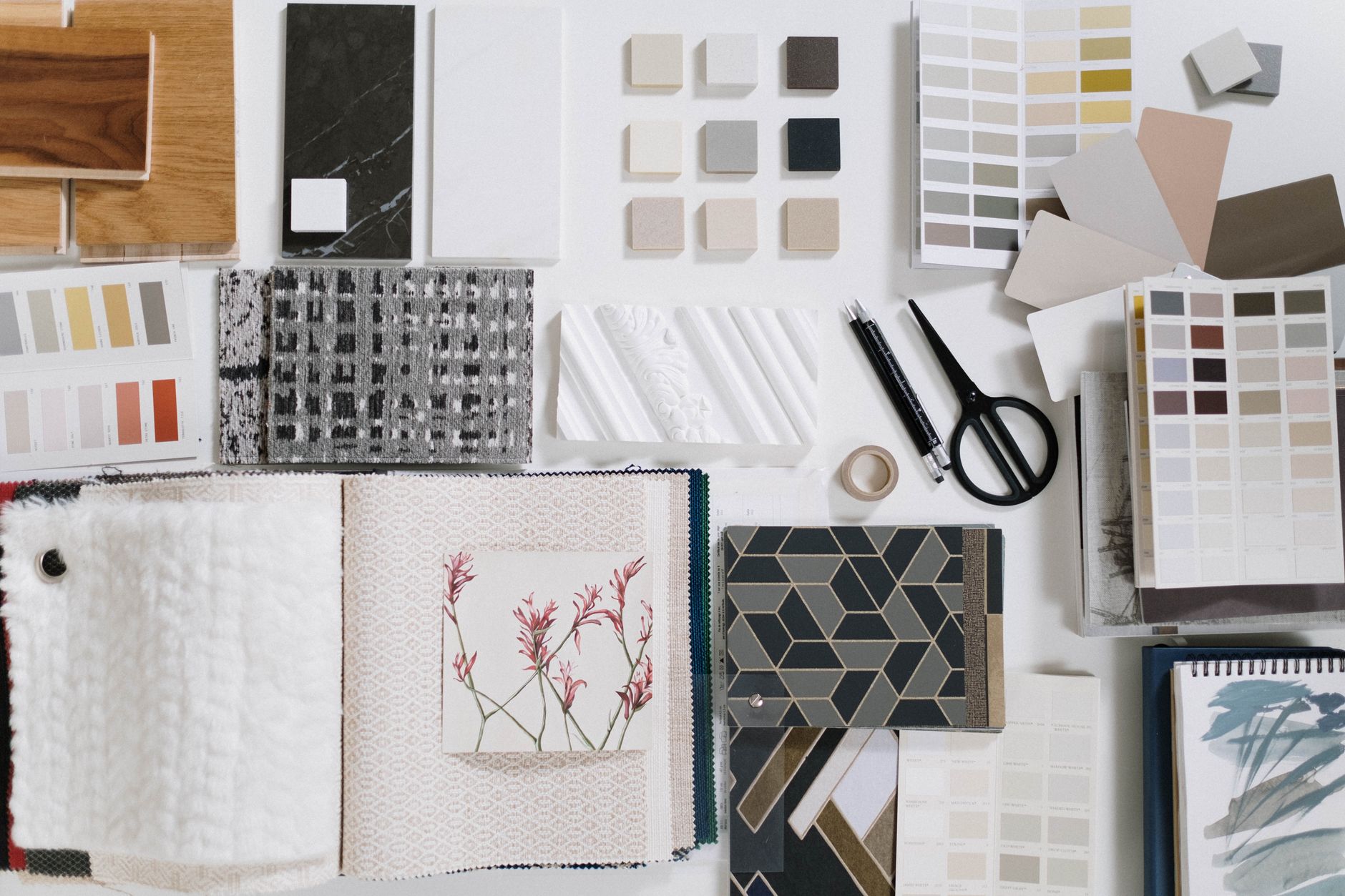
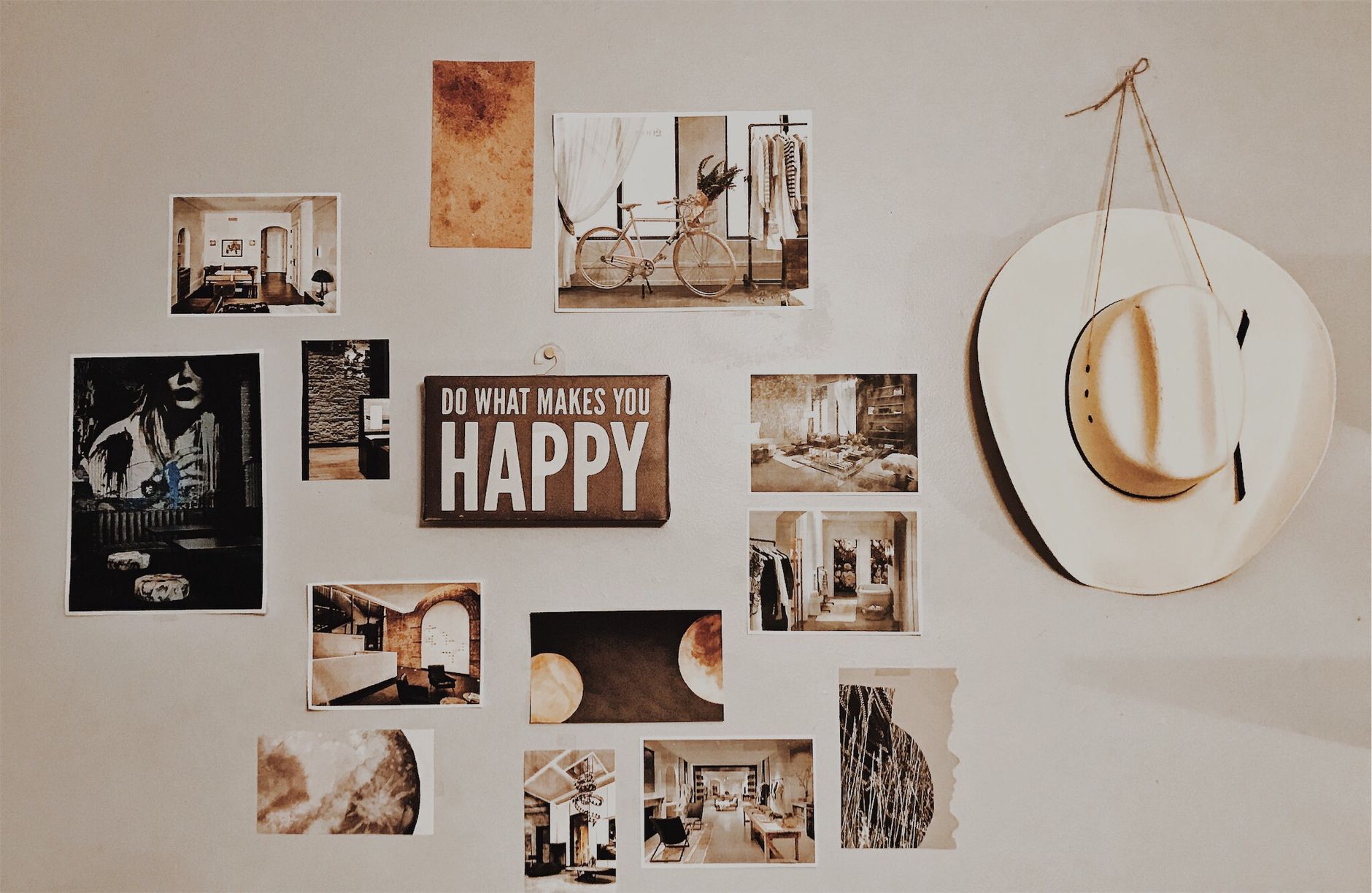
In one documented process scene, a couple sat criss-cross on the floor while reviewing Nancy's “this or that” cards. The cards prompted an instinctive conversation about what they liked and why. The source does not document the room, selections, or finished result. What it shows is the kind of participation the process invites.
Pay attention to the questions
A designer working with two people should be curious about more than style labels. Useful questions cover routines, entertaining, food, work, rest, storage, memories, interests, and the objects each person values.
Listen for questions that help you explain a reaction. “Why does this feel right?” is more useful than asking you to choose a label from a list. The designer should be able to separate a shared need from an individual preference and keep both visible as the plan develops.
Choose the right level of help
Fit also includes service format. Revival Room offers a Signature Design Day, Design-Only Service, and Full-Service Interior Design.
A Signature Design Day provides focused clarity, ideas, links, and sketches. Design-only work provides schematics and shopping links for the client to implement. Full-service work can include design, sourcing, purchasing, installation, and styling.
The right choice depends on the kind of guidance you need and how much implementation you want to manage. Ask the designer to explain the boundaries before you decide.
Notice how the conversation feels
You do not need to agree on every chair before you hire a designer. You do need a process in which both people can be honest, hear the reasoning behind a recommendation, and respond before the work advances.
The right interior designer will not erase the difference between you. They will use it as information and help you build a home where both lives are present.