To design a home that feels personal, start with your life before you start with a look. Notice how you use each room, what you reach for every day, which objects carry a story, and where you naturally want to spend time. Those answers give the design a point of view that no showroom can supply.
A beautiful room can still feel distant. The materials may be good. The colors may work. Everything may be in the right place. But if the room could belong to anyone, it will not feel fully yours.
Begin with use, not style
Style words are useful shorthand, but they are a weak starting point on their own. “Modern,” “traditional,” or “eclectic” does not explain whether you watch football from the kitchen, read in the quietest corner, host long dinners, or need a place for muddy shoes.
Start with the practical questions. How do you eat, relax, work, entertain, and move through the room? What needs to be within reach? What gets in the way now? A personal home still has to function.
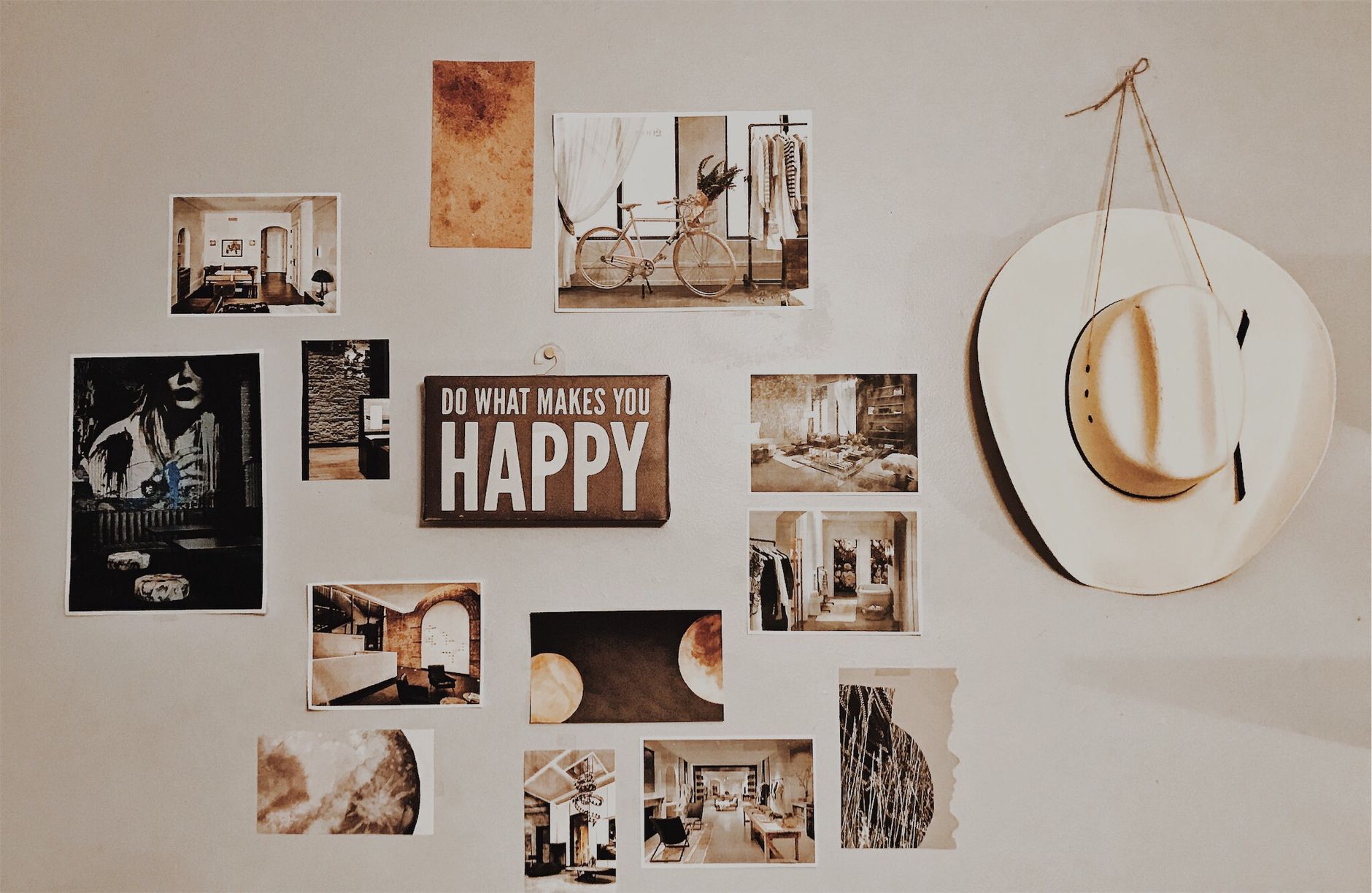
Then ask what deserves to be seen. A photograph, inherited table, strange little object, favorite color, or well-used chair can tell you more than a folder of rooms saved online. The goal is not to display everything. It is to notice which details make you feel connected to the place.
Let your routines shape the room
Nancy keeps a television in her own kitchen because her household watches football on Sundays. That is not a rule for anyone else's kitchen. It is an example of a room responding honestly to the life inside it.
Your equivalent may be a generous surface for puzzles, a reading chair near the best light, or storage that makes an evening ritual easier. When a design supports a real habit, the room begins to feel specific without trying too hard.
Put discipline in the bones and personality in the layers
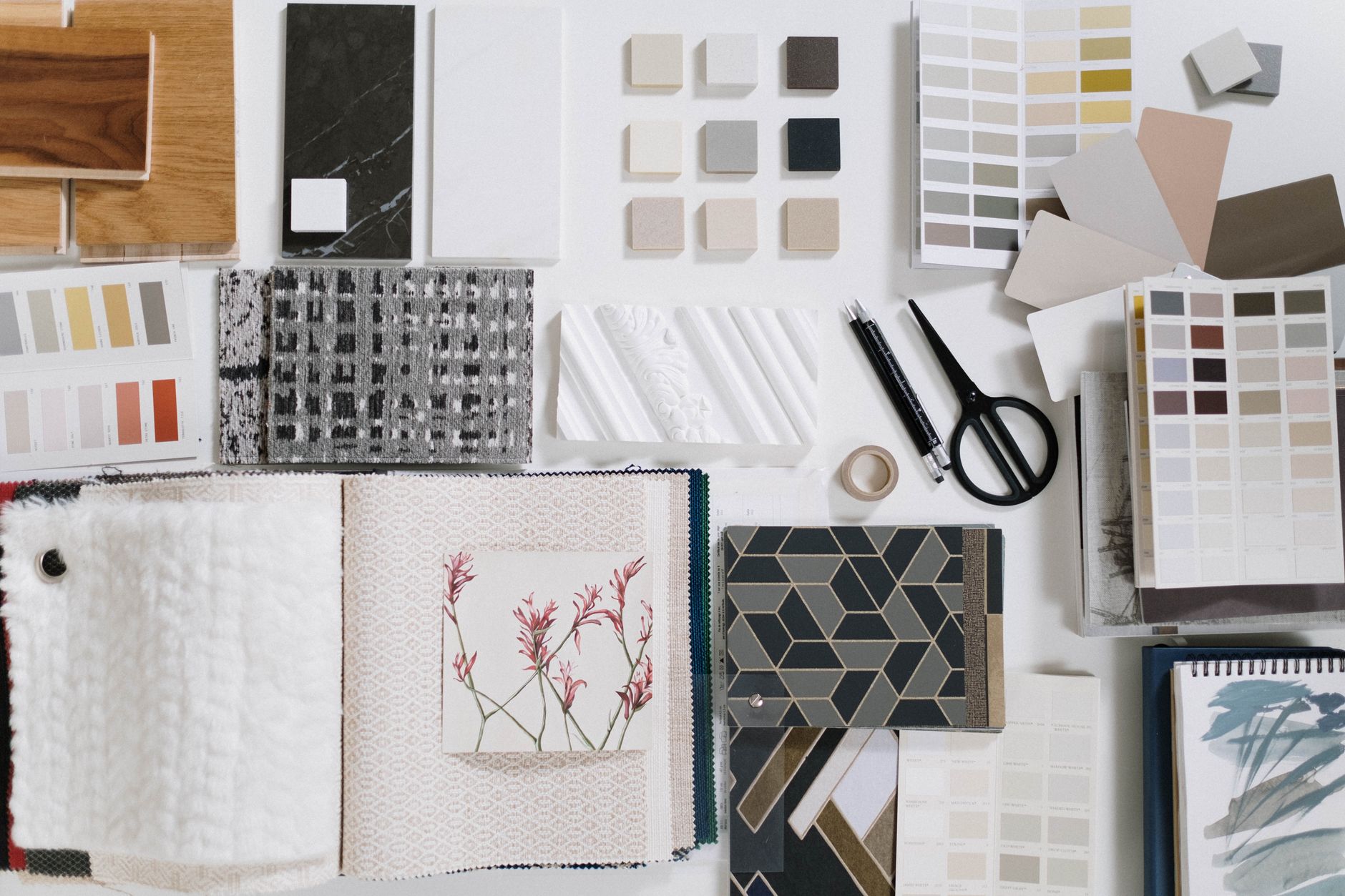
Personal does not have to mean chaotic. Revival Room starts with function and gives the lasting parts of a room careful attention. Floors, tile, cabinetry, and layout need to do their jobs well.
Paint, wallpaper, furniture, art, and smaller objects can carry more play. Those layers are easier to adjust as your life changes. They are also where humor, memory, and surprise can enter the room.
This balance keeps the home grounded. The practical decisions support daily life. The expressive decisions make that life visible.
Use a simple test
Before approving a choice, ask two questions: Does this work for the way we live? Does it mean something to us?
Not every decision needs a deep story. A lamp can simply provide the right light. A sofa can simply be comfortable. But the room as a whole should contain enough of your routines, preferences, and history that it would not make sense for someone else in exactly the same way.
That is the difference between a finished room and a personal home. One looks complete. The other gives you a place to live as yourself.