
To make a home feel playful and personal, give practical needs the first word and your story the second. The room has to work. Then color, pattern, objects, and small surprises can make it feel unmistakably yours.
Playfulness is not a theme you apply at the end. It comes from paying attention to what creates energy, connection, and small moments of joy for the people who live there.
Find the material before choosing the materials
Revival Room begins with PLAY: Passions and Pursuits, Leisure, Adventures and Activities, and Your Story. The conversation also covers practical questions such as how you eat, entertain, use the room, and what functions you need.
That combination matters. A room cannot support your life if it ignores the everyday mechanics. It cannot feel personal if it stops at mechanics.
The useful clues are often specific. They may come from a routine, a trip, a piece of family history, or an instinctive response to an image. The point is not to reproduce a memory literally. It is to understand what about that memory belongs in the room.
Translate the story instead of decorating around it
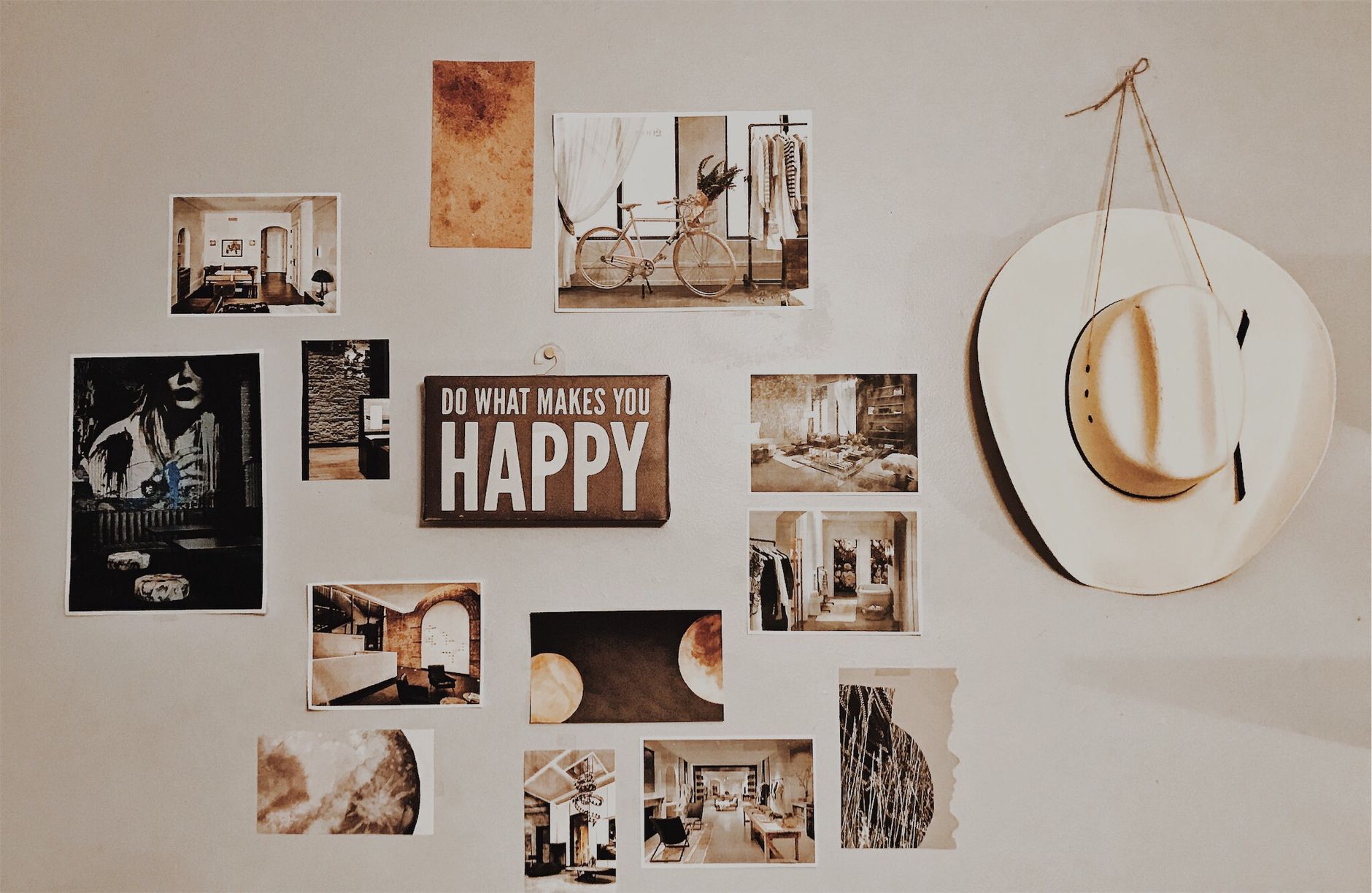
One client described a honeymoon trip to see the Northern Lights. Nancy used the colors and stark sky as direction for the home's palette and included a Northern Lights image on the mood board. That is a documented planning example, not a claim about a finished room.
The distinction is important. Personal design is not about inventing a cinematic story after the fact. It is about using a real detail to make concrete choices with the client.
A memory may suggest contrast, color, texture, or mood. A hobby may change storage or layout. A daily ritual may determine where a chair, table, light, or screen belongs. The translation should serve the room rather than turn it into a costume.
Give play somewhere to live
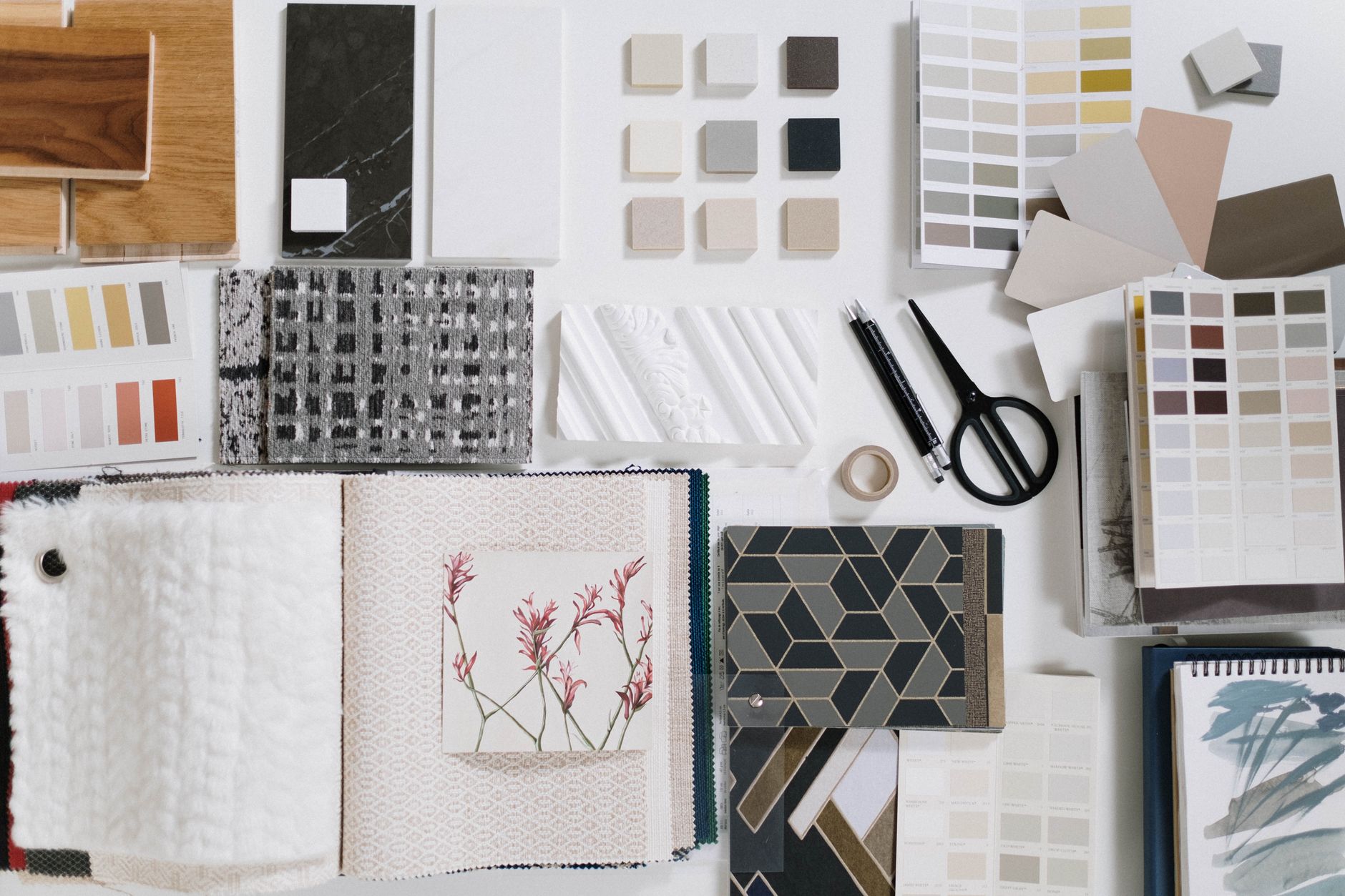
Nancy's view is that practical function comes first. Floors, tile, cabinetry, and the layout form the working foundation. Paint, wallpaper, furniture, art, and curious objects create more room for play.
This approach allows a bold choice to feel intentional. A dark color can make a small room feel purposeful. A pattern can give an overlooked surface energy. An unusual object can start a conversation in a social space. A quiet reading nook can create a different kind of engagement.
Play does not have to be loud. It only has to feel alive to the people using the room.
Ask for an honest reaction
A personal home depends on participation. When you are shown an idea, sample, or image, say what draws you in and what pushes you away. An immediate reaction gives the designer something useful to work with. Silence followed by a late objection makes the process harder for everyone.
You do not need perfect design vocabulary. You need to describe what feels right, what feels wrong, and why. That is enough to move from a generic room toward one that carries your life in it.
A playful home is not built by adding more things. It is built by making room for the right things: the colors, functions, memories, and small decisions that help you feel connected to where you live.