
Before hiring a Portland interior designer, ask how the process works, what you will receive, how involved you must be, who handles implementation, and what investment level fits the scope. The answers should make the working relationship clearer—not simply prove that the designer has good taste.
1. How do you learn how we actually live?
A home has to work before it can feel playful. Ask how the designer learns about routines, practical needs, interests, and the way each room is used.
Revival Room begins with practical questions and uses the PLAY deep-dive interview to explore Passions and Pursuits, Leisure, Adventures and Activities, and Your Story. Those personal details are considered alongside function.
2. What will you need from us?
Good design is not something a client watches from the sidelines. Ask when you will review ideas, how feedback is gathered, and what decisions you will be expected to make.
Revival Room’s best-fit clients participate and give honest feedback. Withholding reactions until late in the process makes it harder to create a home that feels personal rather than imposed.
3. What exactly will we receive?
Ask for concrete deliverables. “Design help” can mean focused advice, a plan you implement, or support that continues through installation.
- Signature Design Day provides clarity, ideas, links, and sketches.
- Design-Only Service provides schematics and shopping links for the client to implement.
- Full-Service Interior Design can include design, sourcing, purchasing, installation, and styling.
4. Who handles purchasing and installation?
This answer separates Design-Only from Full-Service. If you want to purchase and install from a professional plan, Design-Only may fit. If you want the designer involved through sourcing, purchasing, installation, and styling, ask about Full-Service.
5. How do you work with two decision-makers?
If two people share the home, ask how both voices enter the process. Different levels of enthusiasm or different tastes are normal. The important question is whether the designer can hear both people and turn their responses into a useful direction.
6. What investment should we plan for?
Ask for starting points and what they represent. Revival Room consultative packages can begin around $500, while larger design engagements begin at $10,000. These are starting points, not fixed quotes.
7. Can we see relevant work?
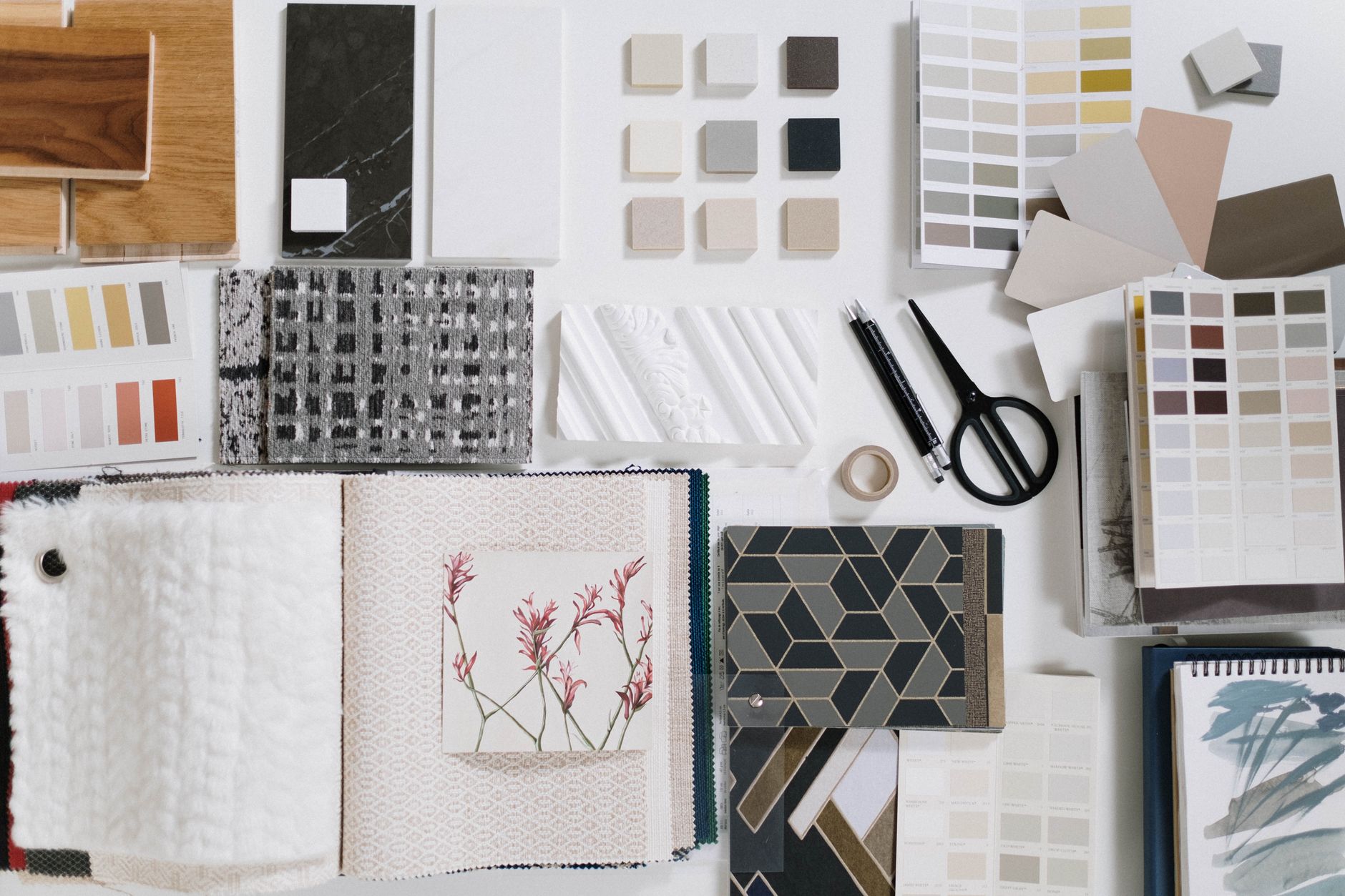
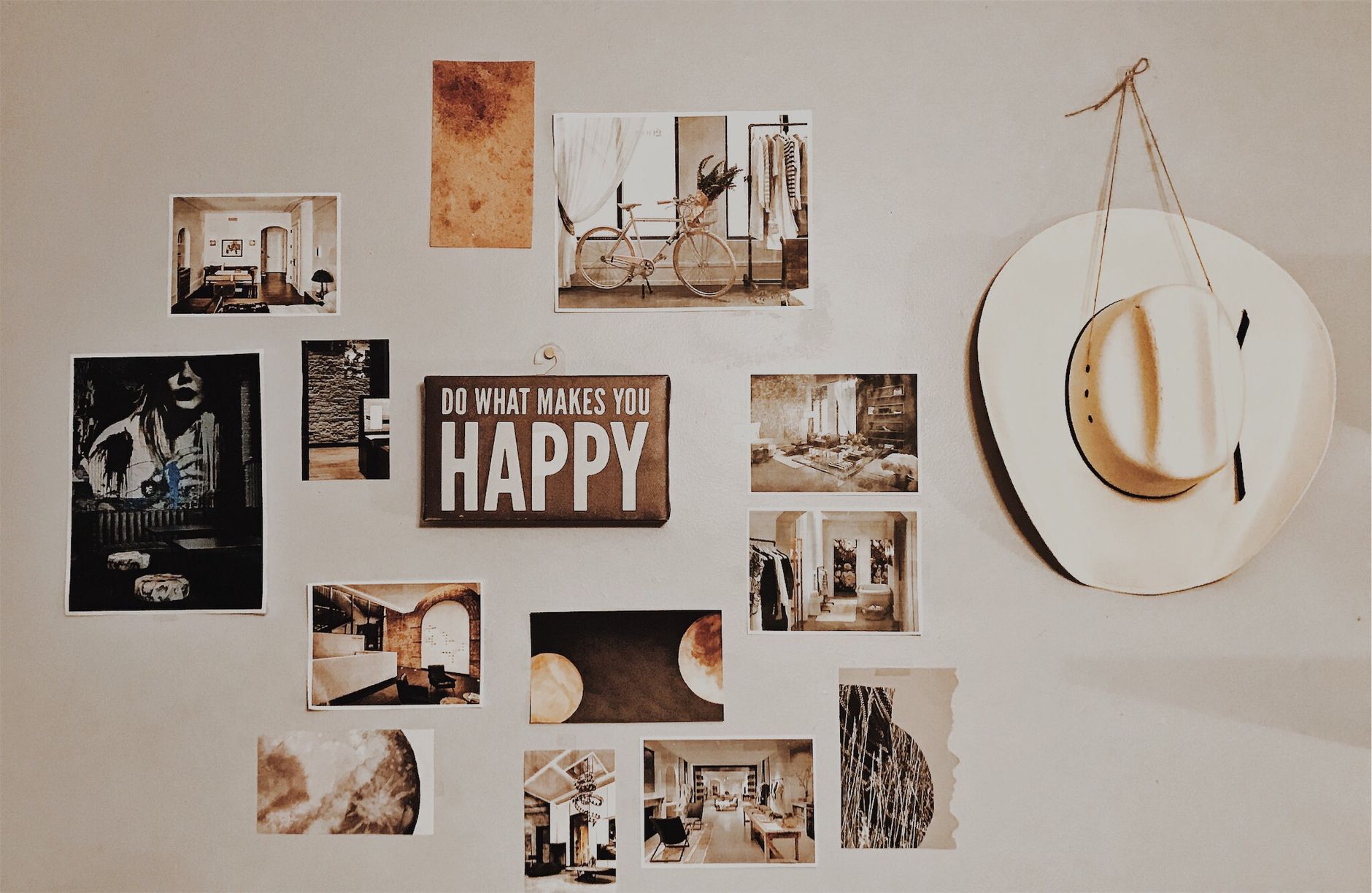
Look for work that shows range, not one imposed signature look. Ask the designer to explain what the examples reveal about process, function, and client priorities without expecting private client details.
The right answers should tell you how decisions will be made, what support you are buying, and whether the relationship feels candid enough for real collaboration.